Packaging Automation: A Beginner's Guide for Small Manufacturers
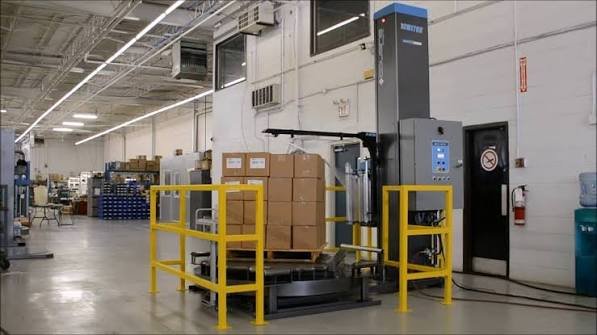
If your team is still hand-wrapping pallets, taping boxes, or feeding poly bags through a manual sealer at the end of a shift, you already know the pain points: overtime creeps up during peak season, repetitive-motion injuries sideline good employees, and one bottleneck on the line can slow an entire production run. Packaging automation has a reputation as a big-plant investment — six-figure equipment and complex integrations that only make sense for high-volume producers. That reputation is out of date. For small and mid-sized manufacturers across Tennessee, Mississippi, and the broader Southeast, entry-level and semi-automated packaging equipment is now accessible, scalable, and often pays for itself within a year or two.
Why Packaging Automation Isn't Just for Big Plants Anymore
For years, automation vendors sold complete, high-speed lines built for producers running millions of units. Today's market looks different. Semi-automated case erectors, sealers, and stretch wrap systems are priced and sized for operations processing far fewer than 100 units per minute — exactly the range where many food processors, baked goods companies, and light manufacturers actually operate. These systems bolt onto an existing manual process rather than replacing an entire line, which keeps upfront investment manageable and lets a plant prove out the ROI before committing to full automation. A persistent labor shortage across manufacturing has also turned automation from a nice-to-have into a practical necessity — it's often easier to add a semi-automated sealer than to hire and retain another line employee.
What "Packaging Automation" Actually Means
Automation isn't all-or-nothing. Semi-automated equipment — an automatic case sealer, stretch wrapper, or bag-fill system — still needs an operator to load or position product, but the machine handles the repetitive, physically demanding motion: sealing, wrapping, or taping. Full automation integrates multiple steps, such as filling, sealing, labeling, and palletizing, into one continuous line with minimal human intervention. For most small manufacturers, the smarter starting point is semi-automation at the single station causing the most bottlenecks or injuries, rather than a full line replacement.
The Real ROI: Labor, Throughput, and Injury Reduction
The numbers tend to surprise people who assume automation is a big-plant expense. Industry data shows packaging automation can cut labor costs on the tasks it replaces by roughly 40-60%, while defect rates on sealed and wrapped product typically drop 70-90% thanks to consistent machine motion. Throughput gains are just as significant: a manual case-sealing operation might handle 10-20 units per minute, while an entry-level automated system can handle 100 or more. Payback periods vary, but many small manufacturers see ROI within 12-24 months, and some upgrades pay for themselves in under a year. There's also a harder-to-quantify benefit: fewer repetitive-motion injuries and workers' comp claims.
How to Know If Your Operation Is Ready (and Where to Start)
You don't need a six-figure budget to get started. Look first at whichever packaging step causes the most overtime, injuries, or bottlenecks during your busiest weeks — that's almost always the highest-ROI place to automate first. An entry-level semi-automated machine can often be integrated into your existing layout with minimal downtime. GenPac's packaging automation support and vendor managed inventory (VMI) programs can help you evaluate throughput needs, material compatibility, and equipment sizing before you commit, so you're calculating ROI instead of guessing at it.
Frequently Asked Questions
How much does packaging automation cost for a small manufacturer?
Entry-level semi-automated equipment, such as case sealers or stretch wrappers, can start at less than $10,000. Full-line automation costs considerably more and is generally reserved for higher-volume operations. Most small manufacturers start with one semi-automated station and expand from there.
What's the difference between semi-automated and fully automated packaging?
Semi-automated equipment still requires an operator to load or position product, with the machine handling the repetitive sealing, wrapping, or taping motion. Fully automated lines integrate multiple packaging steps into one continuous process with minimal manual intervention. Most small manufacturers get more value from semi-automation at their biggest bottleneck than from a full line.
How long does it take to see ROI on packaging automation?
Payback periods vary by equipment type and production volume, but many small manufacturers see ROI within 12-24 months. Some semi-automated upgrades on high-labor tasks pay for themselves in under a year, particularly when they reduce overtime or workers' comp claims.
Will automation eliminate jobs at my facility?
In most small-manufacturer implementations, automation reassigns workers away from repetitive, injury-prone tasks rather than eliminating positions. Many operations use it to handle rising demand without adding headcount, not to shrink their existing team.
What packaging process should I automate first?
Start with whichever step causes the most overtime, bottlenecks, or repetitive-motion injuries during your busiest weeks. For many manufacturers, that's case sealing or pallet stretch wrapping — common entry points because the equipment is affordable and the savings show up immediately.
Packaging automation no longer requires a plant the size of a distribution center to pay off. Whether you're evaluating your first semi-automated sealer or pinpointing your biggest bottleneck, GenPac's team works with manufacturers across Tennessee, Mississippi, and nationwide to match the right equipment to the right volume. Contact GenPac to discuss your packaging automation needs.