
PET vs. PP vs. Steel Strapping, and When to Use Each
For manufacturers and distributors choosing between polypropylene, polyester, and steel strapping isn't just a cost question, it's about matching the strap's strength and stretch characteristics to what's actually being shipped. Here's how the three compare, and when each one makes sense.
Polypropylene (PP) Strapping: Economical and Flexible
Polypropylene is the most affordable strapping option and the most common choice for light to medium-duty applications. It has higher elongation than polyester or steel, meaning it stretches more before breaking, and it's easy to apply by hand, with a battery-powered tool, or on a fully automatic strapping machine. Where PP falls short is retained tension: it loses tightness faster than polyester or steel, especially with temperature swings or extended outdoor UV exposure, so loads that sit for a while may need re-tensioning. PP suits bundling cartons, unitizing lightweight cases, and securing loads for short-distance or indoor transport where cost per strap matters most.
Polyester (PET) Strapping: Steel-Level Strength Without the Weight
Pound for pound, polyester strapping can match or exceed the tensile strength of steel while weighing a fraction as much, and it holds tension significantly longer than polypropylene. Its biggest advantage over steel is elongation recovery: polyester stretches slightly under load and springs back, which lets it absorb impacts and adjust as a load settles, compresses, or shifts in transit without snapping. That same flexibility makes it a safer strap to cut, since there's no sudden release of stored energy the way there can be with steel. Polyester also resists UV degradation better than polypropylene, making it a solid option for loads stored outdoors. It costs more than PP but is typically priced below steel, which is why polyester has become the default upgrade path for shippers moving away from steel strapping. It's well suited to heavier bundling like brick, block, metal profiles, and palletized loads that need both strength and give.
Steel Strapping: Maximum Rigidity for the Heaviest Loads
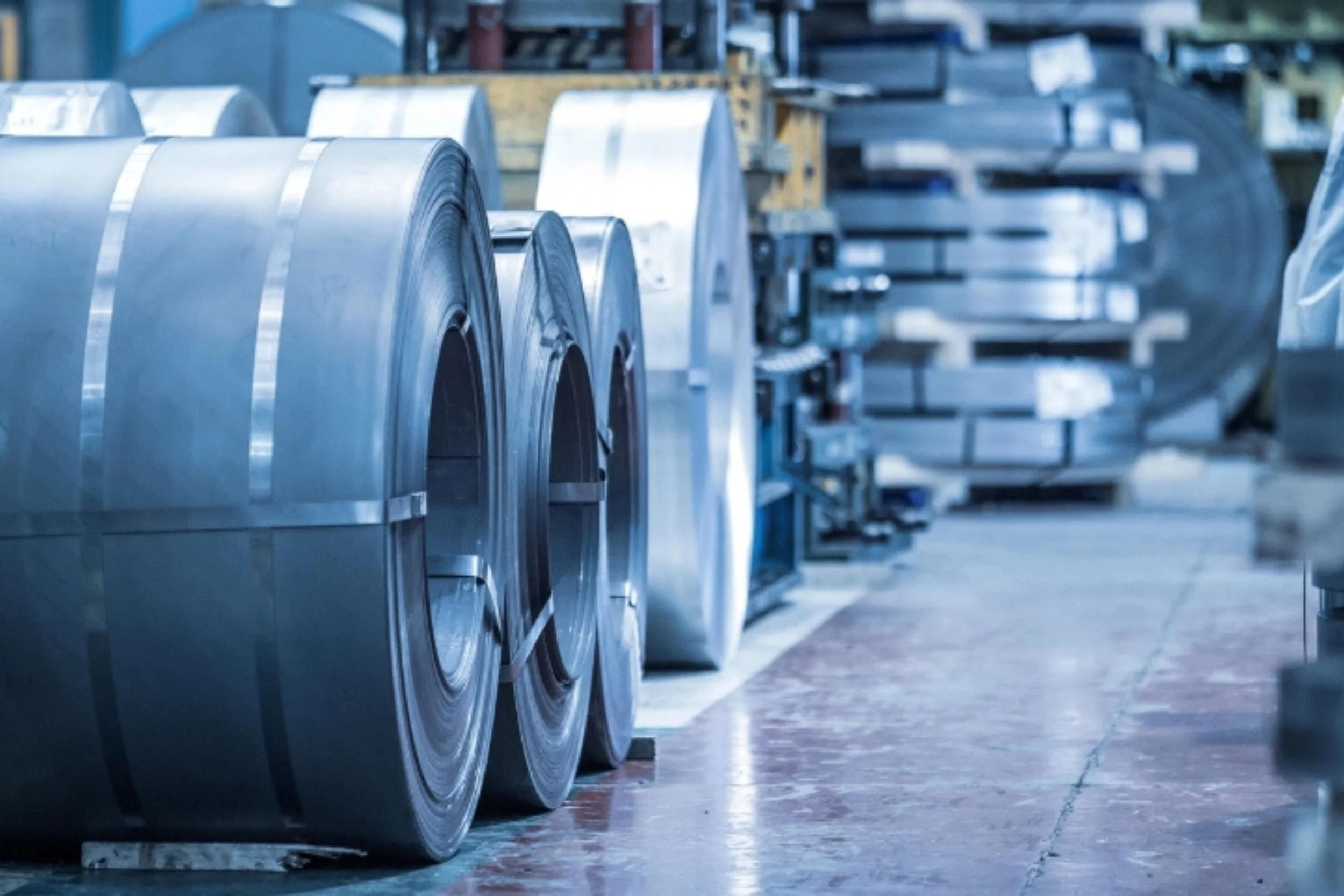
Steel remains the strongest strapping material available and holds up best against sharp edges, extreme loads, and harsh handling. It's the standard for securing steel coils, lumber and building materials, and other rigid, heavy, or edge-sharp loads where any stretch in the strap could allow dangerous shifting. The tradeoffs are real: steel is heavier and more expensive per strap, it rusts if exposed to moisture over time, and unlike polyester, it doesn't recover its tension once a load settles, so it can loosen and require monitoring. It also requires specialized sealing tools and more deliberate safety handling, since a steel strap under tension releases energy suddenly when cut. For loads that genuinely need maximum rigidity and edge resistance, though, nothing else fully substitutes for it.
How to Choose: Matching Strap to Load
Start with three questions: How heavy and rigid is the load? Will it compress, settle, or shift in transit? And where will it be stored before it ships? Light to medium loads moving short distances with a tight budget usually call for polypropylene. Heavier loads, loads that will compress or shift, or anything stored outdoors generally do better on polyester, which offers steel-comparable strength with far more forgiving recovery. Steel is worth the added cost and weight when the load is extremely heavy, rigid, or has sharp edges that would cut through plastic strapping. Many facilities run more than one strap type, PP for routine case bundling and polyester or steel reserved for heavier pallet loads, rather than standardizing on a single option for everything that ships.
Frequently Asked Questions
Is polyester strapping really as strong as steel?
Pound for pound, yes, high-tension polyester strapping can match or exceed the tensile strength of steel strapping of similar width, while weighing significantly less and recovering tension better after a load shifts.
Can polypropylene strapping be used outdoors?
It can, but it degrades faster under UV exposure and temperature swings than polyester, and it holds tension for a shorter period. For loads stored outside for extended periods, polyester is generally the more reliable choice.
Why choose steel if it's heavier and more expensive than polyester?
Steel is still unmatched for extremely heavy, rigid loads with sharp edges, like steel coils or lumber, where any strap stretch could allow dangerous movement. For loads that don't have those specific demands, polyester typically performs as well at lower cost and weight.
Which strapping type is most cost-effective for high-volume shipping?
Polypropylene has the lowest per-strap cost and suits high-volume, lighter-duty shipping. For higher-volume shipments of heavier goods, polyester often costs less over time than steel once weight, handling, and strap loss from tension failure are factored in.
The right strapping material comes down to matching strength and stretch to your actual load, not defaulting to whatever's always been used. GenPac has supplied strapping and packaging materials to manufacturers since 1982 and can help you compare polypropylene, polyester, and steel for your specific application. Contact GenPac to discuss your strapping needs.