
Packaging Tape 101: Hot Melt vs. Acrylic, Reinforced Tape, and Hand vs. Machine Application
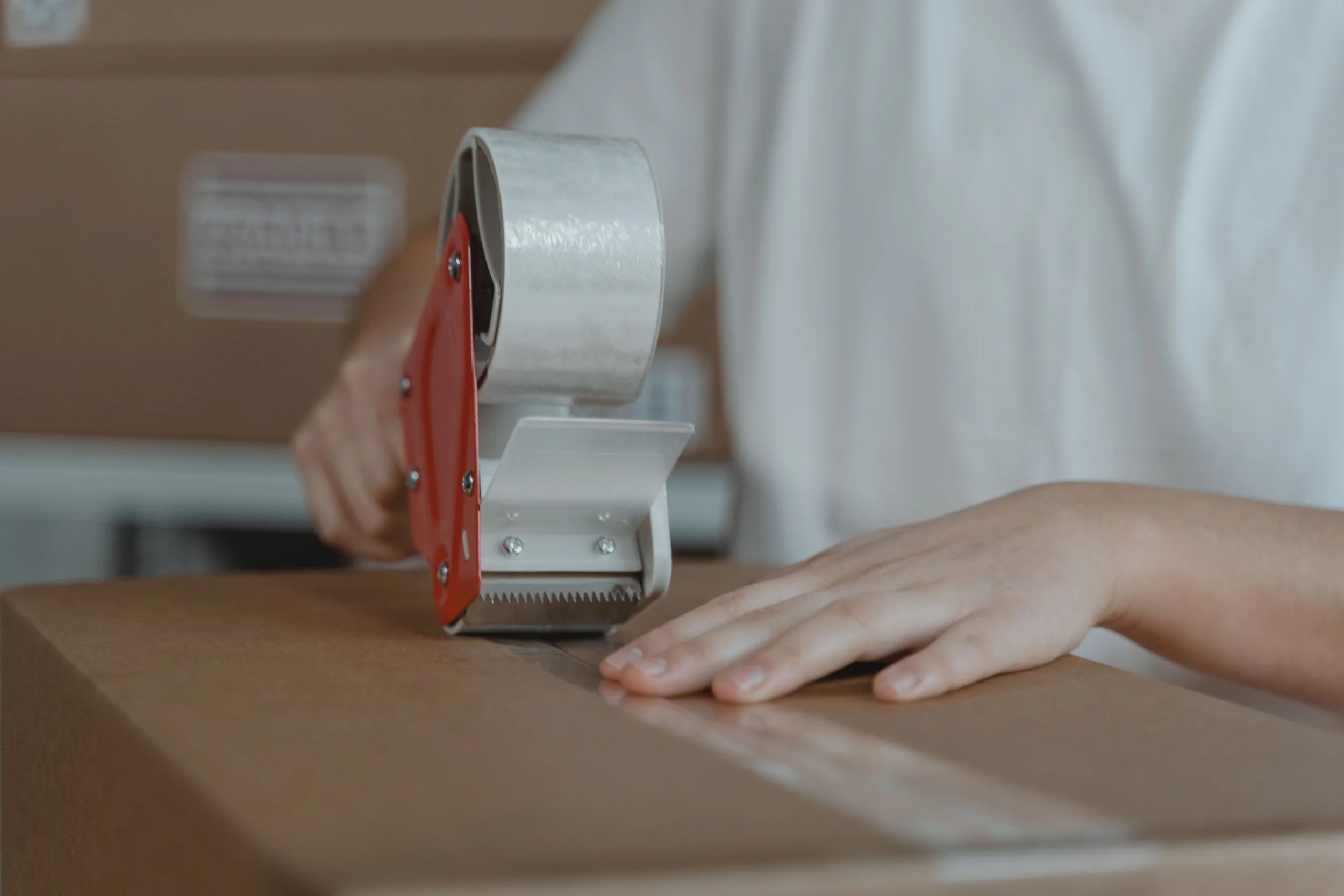
A box arrives with the tape peeled halfway off, or worse, split open on the dock. Before blaming the box or the carrier, it's worth asking whether the tape itself was ever right for the job. Packaging tape isn't one product — it's a handful of adhesive types, backings, and application methods, each suited to different weights, environments, and shipping volumes. For manufacturers in Tennessee, Mississippi, and beyond shipping everything from palletized freight to e-commerce parcels, picking the wrong tape is a quiet but recurring cost. Here's how to think through hot melt vs. acrylic, reinforced vs. standard, and hand vs. machine application.
Hot Melt vs. Acrylic: Choosing the Right Adhesive
The adhesive is where most tape decisions should start. Hot melt tape grabs almost instantly, which is why it's a common default for case sealers running at high speed. It performs well on recycled or heavier corrugated but is more sensitive to cold and humidity, and it can yellow with age. Acrylic tape bonds more slowly but holds up across a wider temperature range — commonly cited from roughly 32°F to 140°F — and resists oxidation, making it the better choice for pallets or cartons that will sit before shipping. If your product moves fast, lean hot melt. If it sits, lean acrylic.
When Reinforced (Filament) Tape Earns Its Higher Price
Reinforced filament tape embeds fiberglass strands into the adhesive backing, giving it three to four times the tensile strength of standard carton tape. That extra strength matters for cartons over roughly 20–30 lbs, bulging loads, or anything headed for long-haul freight or a humid dock where standard tape tends to peel. For lighter, routine cartons, filament tape is overkill. The right question isn't "is this tape strong enough," it's "does this carton need mechanical reinforcement, or just a good seal."
Hand-Applied Tape vs. Machine Tape: Matching the Tool to Your Volume
Hand and machine tape are built for different jobs, not just different tools. A standard hand roll runs about 110 yards for a hand-held dispenser, while machine rolls commonly run 1,000 yards or more for automated case sealers. Hand dispensing makes sense at lower volumes or on a packing bench where flexibility matters more than speed. Once a facility is sealing hundreds or thousands of cartons per shift, machine tape on a case sealer typically lowers per-carton cost and cuts the repetitive strain of manual taping. The crossover point is usually volume, not preference.
Matching Tape Thickness and Pattern to the Box
Thickness (measured in mils) should scale with carton weight: roughly 1.6–1.9 mil is typically fine under 30 lbs, while 2.0 mil or heavier is recommended toward 50 lbs and up. Pattern matters as much as thickness. The standard "H-taping" method — one strip down the center seam and one across each flap edge — is generally sufficient up to about 40 lbs with 2.5-mil or heavier tape, but heavier or repeatedly handled cartons often need a second full pass. Don't skip the bottom seam; that's a common failure point once a box is stacked or dropped on a conveyor.
Frequently Asked Questions
Which tape adhesive is better for cold storage or winter shipping?
Acrylic tape generally performs better in cold or humid conditions since it resists oxidation and holds adhesion across a wider temperature range. Hot melt tape can lose tack in cold storage or high humidity, making it a weaker choice for cartons that will sit in unconditioned space before shipping.
Do I need reinforced tape for every heavy box?
Not necessarily. Weight is one factor, but reinforced filament tape is most valuable when a carton also faces rough handling, long-haul transit, or extended storage. A heavy but well-supported carton moving a short distance may do fine with standard tape at a heavier mil thickness instead.
Is machine tape cheaper than hand tape per carton?
Usually, yes, once volume is high enough to justify a case sealer. Machine rolls are longer and typically priced lower per yard, and the labor savings from automated sealing add up quickly at high-volume operations. At low volumes, the equipment cost may outweigh the savings.
How many strips of tape does a box actually need?
It depends on weight and handling. Most cartons under about 40 lbs do fine with a single H-taping pass using 2.5-mil or heavier tape. Heavier cartons, or ones that will be stacked, palletized, or handled multiple times, generally need a second full pass covering both the top and bottom seams.
Tape failures are rarely random — they usually trace back to the wrong adhesive, the wrong thickness, or the wrong application method for the job. A quick audit of what's failing on the dock, and why, often points to an easy fix. Contact GenPac to discuss your packaging needs and find the right tape adhesive, thickness, and application setup for your cartons.