Shrink Wrap vs. Stretch Wrap
How Shrink Film Works
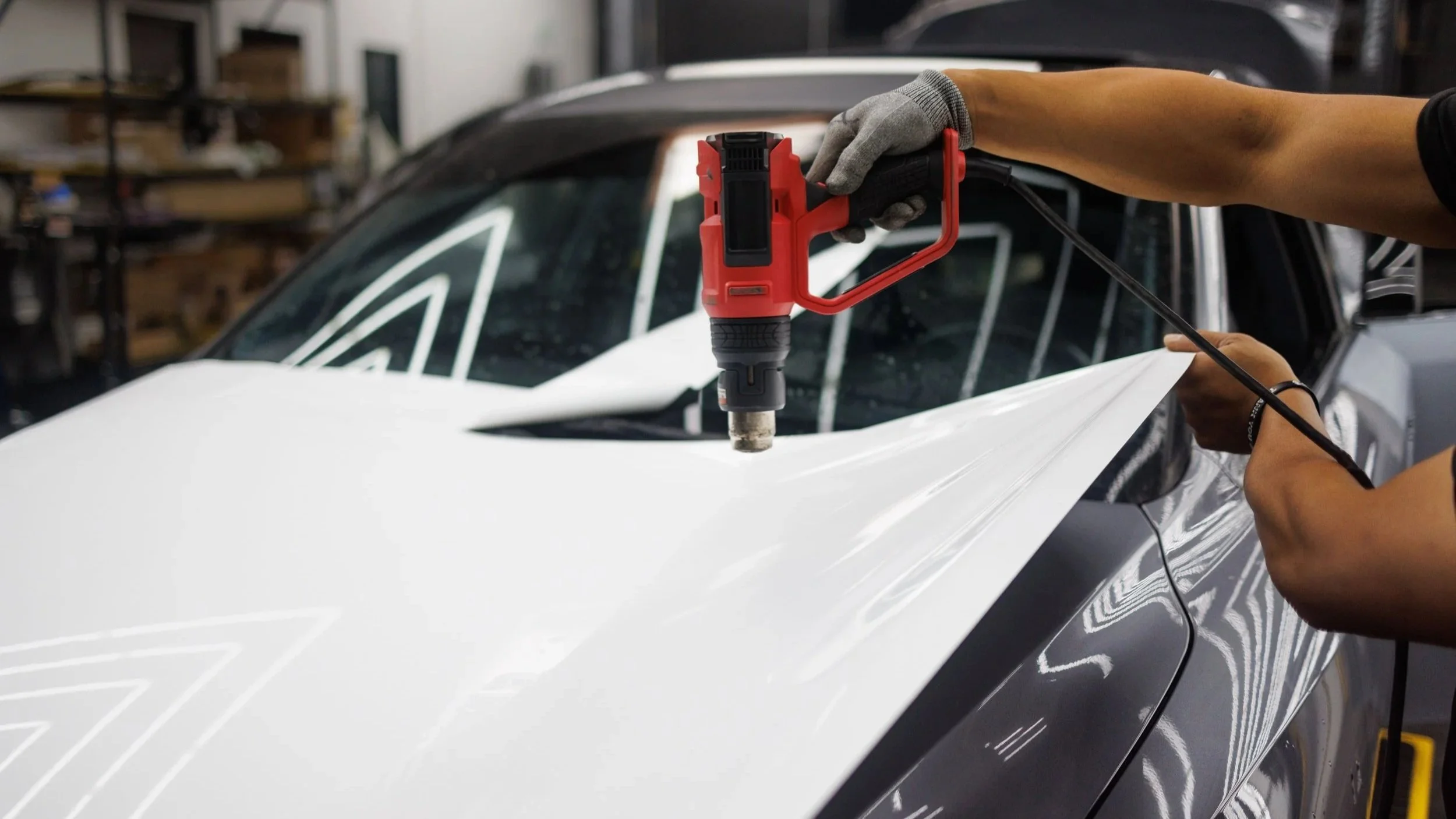
Shrink film is wrapped loosely around a product or group of products, then sealed and exposed to heat. A heat gun handles small jobs, while a heat tunnel on a conveyor handles volume. The film contracts as it heats and conforms tightly to the shape of the item.
Because it forms around each product, shrink film is generally treated as primary packaging. It is common for consumer goods, food, books and bundled items, where a clean appearance, tamper evidence and protection from dust and moisture matter. Polyolefin is a frequent choice for food-related applications, and the film can be printed when branding is important.
How Stretch Film Works
Stretch film uses elasticity instead of heat. The wrapper, by hand or with a stretch wrapping machine, pulls the film tight around a palletized load, and the film's tendency to recover holds everything together. It does not shrink, and it should never be run through a heat tunnel.
This makes stretch film a form of secondary packaging, used for load containment during storage and shipping. It is typically made from linear low-density polyethylene and is usually the lower-cost option per load. A hand dispenser is inexpensive, while stretch wrapping machines range widely in price, so volume is the main factor in whether automation makes sense. Gauge, stretch capability and wrap pattern all affect how well a load holds and how much film you use.
How to Choose Between Them
Start by asking what you are protecting. If you need a finished, tight-fitting package around an individual product, such as a boxed item headed to a retail shelf, shrink film is the likely answer. If you need to hold cartons together on a pallet for transit, stretch film is the right tool.
Next, consider equipment and cost. Shrink film requires heating equipment and generally carries higher material costs, while stretch film can start with nothing more than a hand dispenser. Heat-sensitive products may not tolerate a shrink tunnel at all. Many operations use both: shrink film at the packaging line, then stretch film at the dock. Mapping where each package changes hands, from line to warehouse to truck, makes it easier to see which film belongs at each step.
Common Mistakes to Avoid
Stretch film will not shrink, and shrink film will not hold a pallet with the same tension. Another mistake is choosing by price per roll alone. Gauge, film width, equipment settings and operator technique all influence how much film each package or pallet consumes.
A packaging partner can shorten the learning curve. GenPac can review your products, recommend films and gauges, and support the equipment that applies them, with delivery across Tennessee, Mississippi and the Southeast.
Frequently Asked Questions
Can I use stretch film instead of shrink film?
No. Stretch film does not shrink when heated and cannot be used in a heat tunnel or with a heat gun. If your product needs a tight, formed wrap, you need shrink film.
What is stretch wrap used for?
Stretch wrap is used mainly for securing palletized loads and bundling items for storage and shipping, an application known as load containment.
Do I need special equipment for shrink wrap?
Yes. You need a heat source, either a heat gun for low volume or a heat tunnel for conveyor lines, and usually a sealer for closing the film.