Void Fill Options Compared: Air Pillows vs. Paper vs. Foam Peanuts vs. Bubble Wrap
Open enough shipping boxes, and you'll see the same problem repeated: a small product rattling around in an oversized carton, or worse, arriving damaged because there wasn't enough cushioning to keep it in place during transit. Void fill — the material that takes up empty space in a box — is one of the most overlooked line items in a packaging budget, but choosing the wrong type can quietly cost a manufacturer or distributor in damaged goods, wasted material, and labor. For purchasing and operations managers across Tennessee, Mississippi, and the Southeast, knowing the real differences between air pillows, paper, foam peanuts, and bubble wrap makes it much easier to match the material to the product.
Air Pillows: Lightweight and Cost-Effective
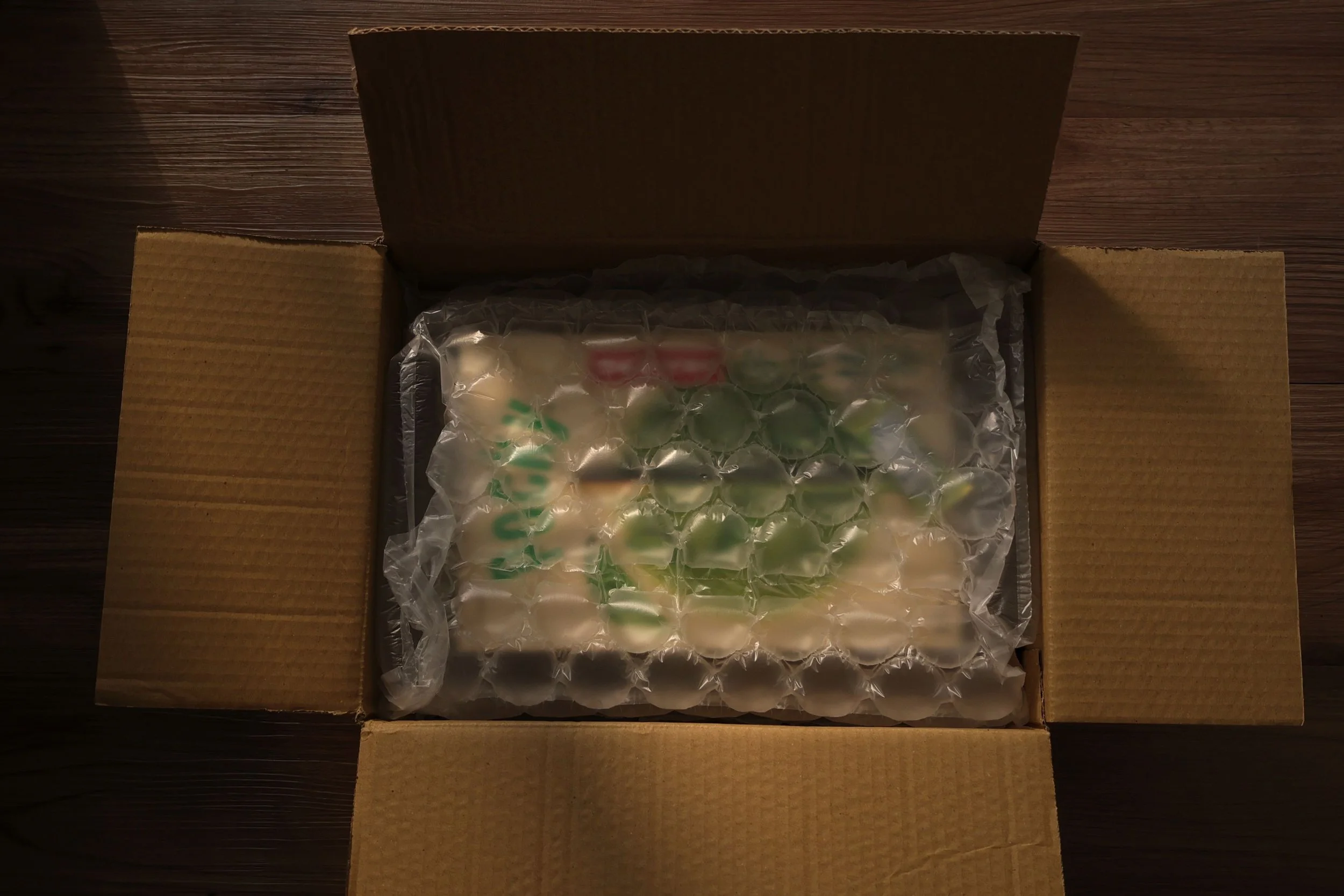
Air pillows are plastic film pouches inflated on-site with a small machine, then dropped into boxes to fill empty space, and because they're mostly air, they add almost no shipping weight. Air pillows work well for items in the 2- to 10-pound range that need light cushioning rather than heavy-duty protection. Many are made from mono-polyethylene film, which can be recycled through store drop-off programs, though it typically can't go in a standard curbside recycling bin.
Paper: The Simplest, Most Recyclable Option
Crumpled or honeycomb kraft paper costs a bit more than air pillows, but it's fully recyclable, compostable, and doesn't require a dedicated inflation machine to use. The tradeoff is weight and bulk: paper adds more physical mass to a box than air pillows, which can nudge up dimensional and actual shipping weight on heavier paper grades. It's a strong fit for manufacturers prioritizing a simple, sustainable option, or shipping into markets where plastic packaging draws customer complaints.
Foam Peanuts: Best for Heavier, Irregular Items
EPS foam peanuts cost more than air pillows or paper, but they excel at filling irregular gaps around heavier items — generally anything over 10 pounds — where lighter fill materials compress or shift in transit. The downside is that standard foam peanuts are difficult to recycle in most areas and are notoriously messy to work with on a packing line. Cornstarch-based peanuts address the disposal problem (they dissolve in water) but cost more.
Bubble Wrap: Maximum Protection, Higher Cost
Bubble wrap offers the best cushioning of the four options for genuinely fragile items — glass, electronics, precision parts — because the air pockets absorb shock more effectively than loose fill. It costs more per cubic inch than the alternatives, takes longer to apply by hand, and takes up more storage space on a packing line as rolls rather than a hopper or dispenser. For most standard industrial or food packaging, it's overkill; for fragile or high-value items, it's often worth the added cost.
Choosing the Right Fill for Your Operation
The right void fill choice comes down to three questions: how fragile is the product, how much does weight matter to your shipping cost, and how important is recyclability to your customers or your own sustainability goals. Many manufacturers use more than one type — air pillows or paper for general-purpose orders, foam or bubble wrap reserved for fragile or high-value shipments. A packaging distributor that stocks multiple void fill options can help you test a few materials against your actual damage rate before committing to a single system.
Frequently Asked Questions
Which void fill option is cheapest overall?
Air pillows generally have the lowest material cost per cubic foot and add the least shipping weight, which is why they're the most common choice for medium- to high-volume operations shipping items that don't need heavy cushioning.
Is paper void fill actually better for the environment than plastic options?
Kraft paper is recyclable and compostable through standard municipal programs, while air pillows and bubble wrap require store drop-off recycling and foam peanuts are difficult to recycle in most areas — so paper is generally the most broadly recyclable option, though it can add more shipping weight.
Can I mix void fill types in the same facility?
Yes, and many operations do. A common approach is to use a lower-cost fill like air pillows or paper for standard orders and reserve foam or bubble wrap for fragile or high-value items, rather than using one material for every shipment.
Do foam peanuts work for food-grade packaging?
Foam peanuts are typically used for outer transit packaging rather than direct food contact, and food processors should follow their own food-safety packaging guidelines regardless of which void fill material is used in the shipping carton.
How do I know if I'm using too much void fill?
If a box feels heavier than expected for its contents, or your damage-in-transit rate isn't improving despite adding more fill, the issue is often box size rather than fill quantity — a properly sized box needs less fill to keep a product secure.
Choosing the right void fill isn't just a packaging detail — it affects damage rates, shipping costs, and how your packaging looks to customers who care about sustainability. Contact GenPac to talk through which void fill materials make sense for your product mix.